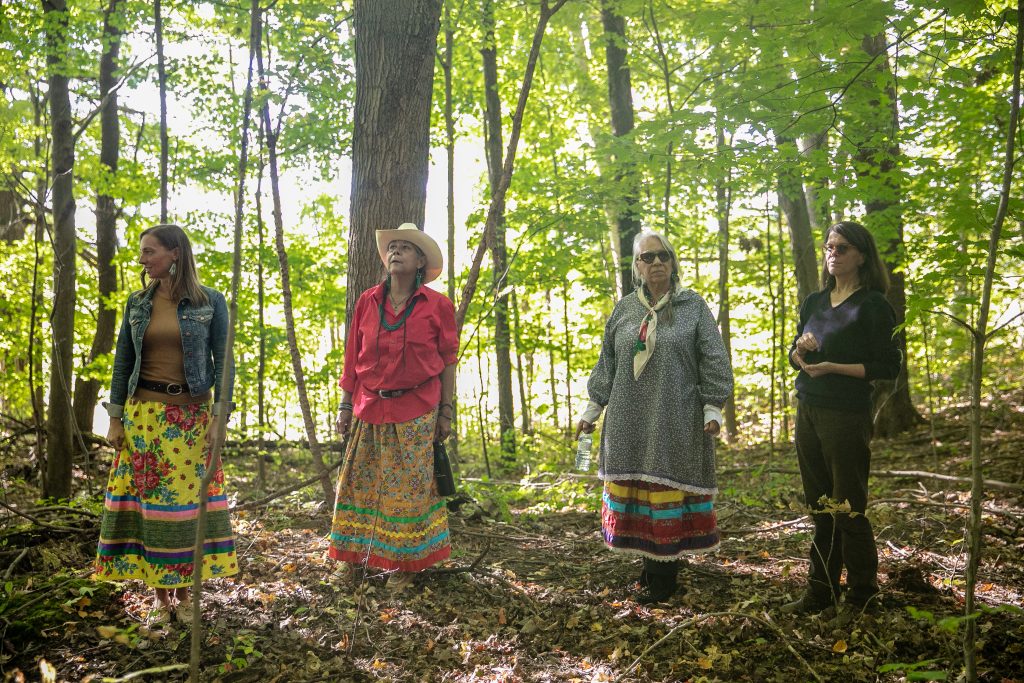
Pathways Forward
A relationship-based approach to land securement, stewardship, and shared responsibility.
Our Story
A Shared Beginning
In 2023, Oak Ridges Moraine Land Trust and Mno Aki Land Trust began working together to explore how land securement along the Oak Ridges Moraine Trail could be approached through relationship, reciprocity, and shared learning.
More Than Just A Transaction
As the work unfolded, it became clear that the project was about more than securing a property. It raised deeper questions about ownership, access, responsibility, legacy, and the relationships that shape land decisions.
The Quote
“When we approach land from a place of relations, it is not just a business transaction.” — Becky Big Canoe
Pilot to Framework
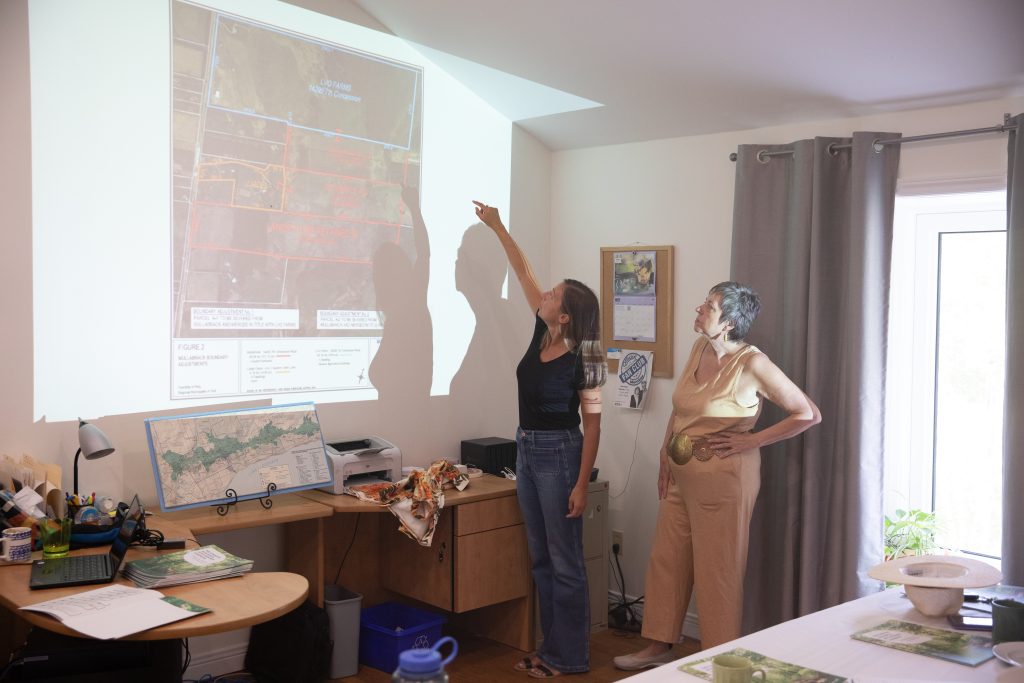
Although the King land donation is not moving forward at this time, the work continues. The lessons from this experience became the foundation for the Pathways Forward Framework — a broader approach to future land securement, community engagement, and stewardship.
The Four Elements Model
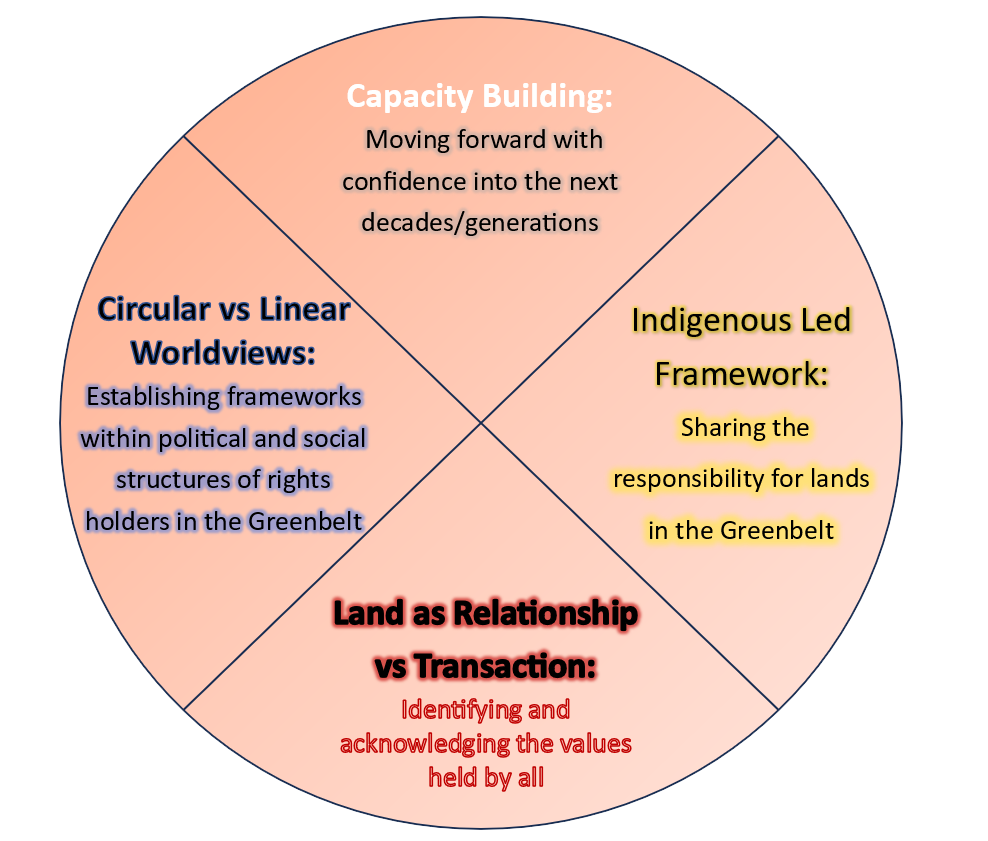
A circular relationship model — not a step-by-step checklist
Land Opening
Gathering, ceremony, honouring stewardship, and shared story.
Building Relationships with the Land
Walking the land, observation, reflection, and learning through place.
Indigenous Knowledge Holders
Teachings, stories, context, and historical understanding shared through relationships.
Relationship Building through Worldview Differences
Working through differences in expectations, access, governance, and timing with care and patience.
Voices That Shaped This Work
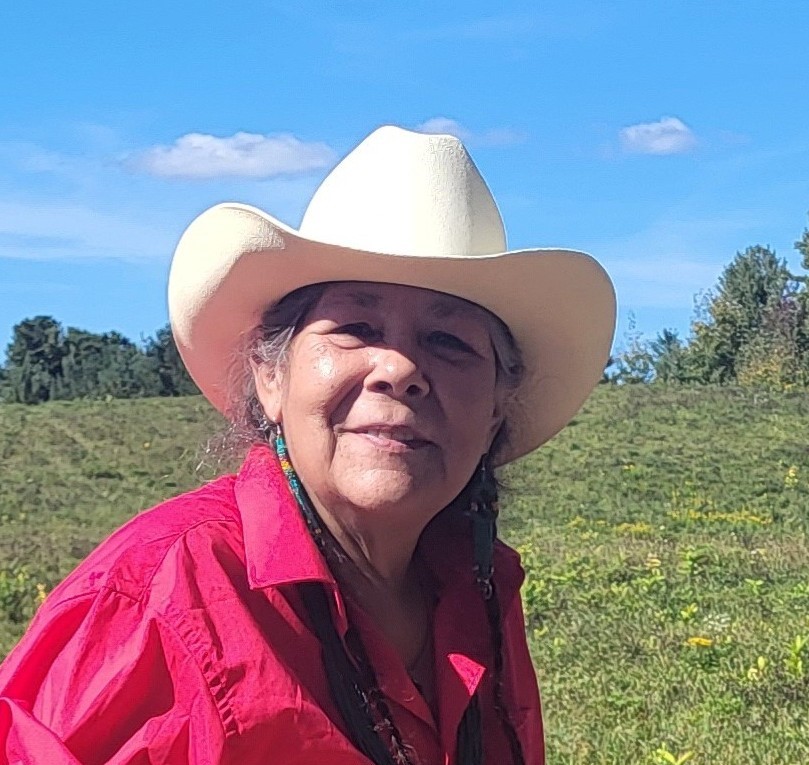
Becky Big Canoe
Reflecting on land access, Grandmother leadership, diplomacy over ownership, and the importance of moving beyond transactional approaches to land.
“If knowing the real story of what has taken place historically was taught from the beginning, we wouldn't be in the situation we are now.”
Mary Boyden
Helping shape the relational and circular foundations of the Pathways Framework.
“Relationships create Indigenous perspectives — connections with Land, Water, People, Air and Nature.”
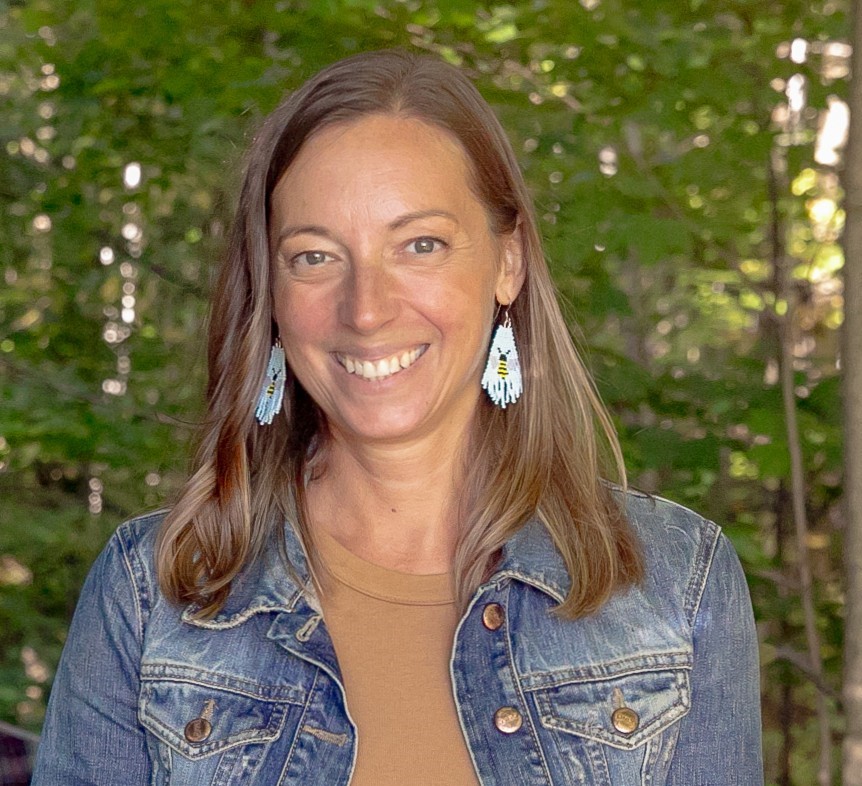
Sonia Molodecky
Sharing why the King property matters — as a place of history, connection, and opportunity to tell the story of the Greenbelt through the voices of the original peoples of that place.
The framework was further informed through conversations with Elders, advisors, landowners,
project teams, and the Williams Treaties First Nations Champions Group.
What Lands and Why
Within this framework, land is not viewed as an isolated asset or commodity, but as part of an interconnected system of relationships that must all be considered together.
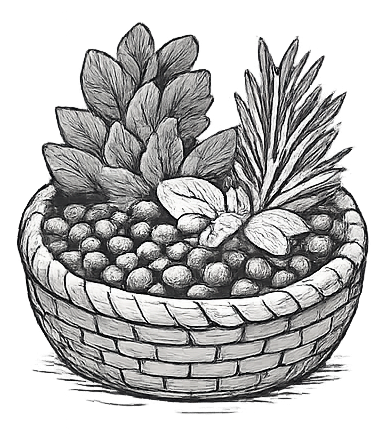
Food & Medicines
Land that supports growing, harvesting, seed saving, and the continuation of food and medicine relationships.
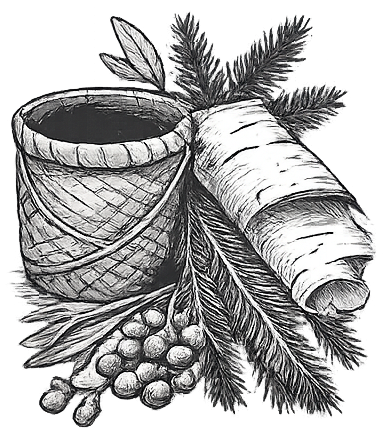
Traditional Materials
Places connected to culturally important materials such as cedar, birch, spruce, berries, balsam, and other traditional resources.
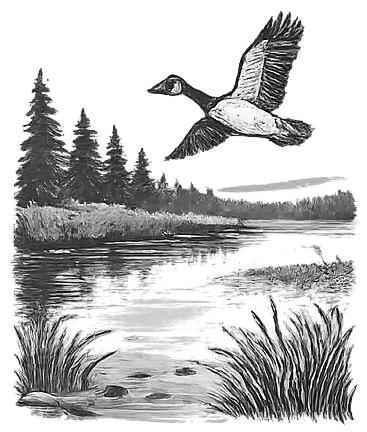
Species & Ecosystems
Wetlands, forests, grasslands, waterways, migration corridors, and habitat for culturally significant species.
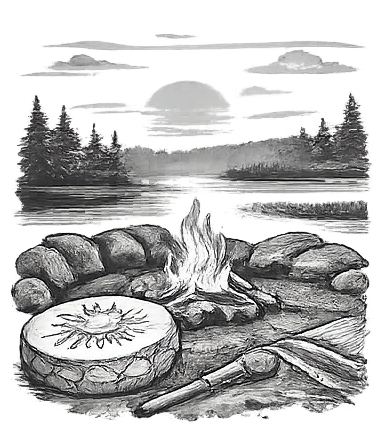
Ceremony & Gathering
Land connected to ceremony, teaching, storytelling, seasonal use, and intergenerational knowledge sharing.
A relationship-based rhythm of the work
Start
Walk
Learn
Decide
Steward
The Pathways Securement Process
The Pathways Securement Process is a three-stage summary of how land securement work may unfold. Unlike the Four Elements Model, which is circular and ongoing, this process provides a practical structure for engagement, land understanding, and collaborative decision-making. It is intended to remain adaptable to local community priorities, trust-building, and ongoing guidance.
Initial Engagement and Relationship Building
This stage focuses on creating the relationships needed before decisions are sought. It includes early conversations, identifying Elders, Knowledge Keepers, leadership, and local champions, understanding community priorities, following appropriate protocol for ceremony and invitations, and creating space for education, dialogue, and trust-building before formal requests are made.
Land Identification and Scoping
Once relationships are established, attention can shift to the land itself. This stage includes applying the What Lands and Why considerations, mapping ecological, cultural, community, and treaty contexts, conducting site visits and Walking the Land, identifying ecological, cultural, historical, and community values, and exploring opportunities, challenges, and stewardship possibilities.
Joint Assessment and Decision-Making
This stage focuses on collaborative review and choosing an approach. It includes applying the Four Elements Model, reviewing the seven securement scenarios, considering legal, archaeological, ecological, cultural, and community factors, and co-developing a recommended securement approach, stewardship plan, or relationship plan where appropriate.
Opportunities for Land Securement
The Pathways Framework includes seven possible approaches to securing land for trail connection, conservation, stewardship, and relationship-based access. Each pathway offers different opportunities, responsibilities, and long-term considerations.
1. Full Land Donation through the Ecological Gifts Program
A landowner donates the entire property through the Ecological Gifts Program, transferring full ownership to a land trust for permanent protection, stewardship, and trail securement.
2. Trail Section Donation (Non-Ecological Gifts Program)
A landowner donates only the portion of land needed for the trail corridor, allowing permanent public access while retaining the rest of the property.
3. Full Property Purchase
A land trust purchases an entire property outright, creating the highest level of control over land use, stewardship, conservation, and future planning.
4. Trail Section Purchase
A land trust purchases only the land needed for the trail corridor, securing continuity and access while reducing overall acquisition costs.
5. Whole-Property Conservation Easement through the Ecological Gifts Program
The landowner keeps ownership, but a conservation easement is registered on title through the Ecological Gifts Program to protect natural features and allow trail use.
6. Trail Conservation Easement Purchase
A land trust purchases a conservation easement for the trail corridor while the landowner keeps ownership, creating long-term protection without full land transfer.
7. Buy, Sever, and Sell
A land trust purchases a larger parcel, keeps the portion needed for the trail and conservation, then sells the remaining parcel to recover part of the acquisition cost.
Community Review and Feedback
Community review helped strengthen the Pathways Framework through feedback on the seven securement scenarios, the What Lands and Why considerations, and approaches to engagement. A key message that emerged was the need to move beyond one-time consultation toward deeper, relationship-based engagement.
Review of the 7 Pathways
Feedback helped test and refine the seven land securement scenarios, with attention to how each pathway may support stewardship, access, governance, and long-term relationship building.
Combined Land Considerations
Community reflections helped deepen the What Lands and Why criteria by reinforcing the importance of cultural relationships, land use, history, stewardship, and future responsibilities.
Stronger Engagement Approaches
A clear distinction was made between consultation and meaningful engagement. Trust-building, time, reciprocity, and understanding who needs to be involved were identified as essential.
The Responsibility of Leadership
The Pathways Framework recognizes that decisions made today will shape future relationships with land, stewardship, access, and conservation well beyond a single project. Along the Oak Ridges Moraine Trail and across the Greenbelt, leadership means acting with foresight, humility, and accountability for future generations.
Access
Across much of Southern Ontario, access to land for ceremony, medicines, harvesting, and cultural practice has already been reduced by development, fragmentation, and urban growth.
Responsibility
The perspectives of Indigenous Champions, Knowledge Keepers, Elders, and communities are essential in guiding a stronger and more responsible path forward for land securement and stewardship.
Future Generations
The approaches, relationships, and tools developed today may influence how conservation, access, and Indigenous land relationships are understood across Ontario and beyond in the years to come.
Resources and References
The Pathways Framework is supported by practical tools, background materials, and reference documents that provide more detailed guidance on securement pathways, archaeology, ecological gifts, and framework development.
Supporting This Work
Relationship-based land securement takes time, trust, shared learning, and long-term care. Support helps continue engagement, stewardship planning, and future land-based opportunities.
Support the Project